
Why We Include Extra Ceiling Brackets in Bay Window Tracks 😃
One of the most common questions I get asked is:
“Will a plasterboard ceiling hold my bay window curtain track?”
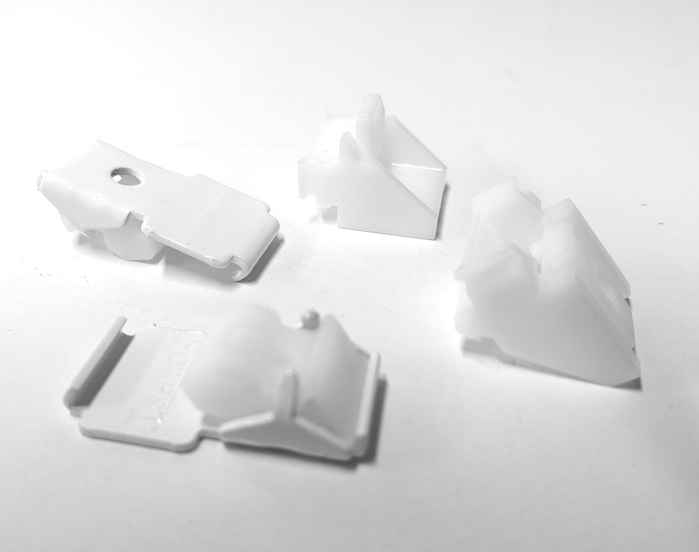
The short answer: yes. Plasterboard fixed onto ceiling joists is surprisingly strong — plenty strong enough for most domestic curtains. And to give you even more peace of mind, we include extra ceiling brackets with every bay track we supply.
This isn’t an accident — it comes from 30 years of fitting tracks in real homes, where I’ve learned that more is better.
-
10-Year Guarantee
Free remake if it doesn’t fit — even if mis-measured
-
Video Measuring Guides
Short step-by-steps so you know it’s right
-
No Charge Per Bend
You pay for length only — big savings on multi-bend bays
-
Fast UK Delivery
Recyclable, eco-friendly packaging as standard
Why plasterboard ceilings are stronger than you think
- Plasterboard ceilings are almost always fixed onto timber joists.
- The joists carry the real weight; the plasterboard spreads the surface.
- For domestic curtains (lined, blackout, even interlined), this setup is more than strong enough when brackets are spaced correctly.
✅ In 30 years, I’ve only very rarely needed specialist fixings for plasterboard ceilings.
Why we supply extra ceiling brackets
Most suppliers send the minimum number of brackets they can get away with. We do the opposite. We include around double the number of ceiling brackets compared with many competitors.
This matters because:
Smooth running → gliders work better on a level, evenly supported track.
Even weight distribution → less stress on each fixing point.
Straighter track → no mid-bay sagging.
Bonus benefit — hitting the joists
Because our bracket spacing is closer, some brackets will naturally line up with timber joists. That gives you an even stronger fixing point without needing to hunt for joists yourself.
It’s a win-win:
- Even load across the plasterboard.
- Added strength where brackets land on the joists.
What our customers say
Many customers have commented that once fitted, the track feels incredibly secure and solid. The combination of closer bracket spacing, good plugs and screws, and the odd bracket hitting a joist gives long-term stability that cheaper kits simply can’t match.
When might you need more secure fixings?
In most cases, our standard kit is more than enough. But there are a few rare situations where you might want extra fixings, for example:
- Extra-heavy curtains (velvet, brocade, bump interlining + blackout).
- Older ceilings with weaker plasterboard.
- Oversized bays with very long returns.
Don’t worry — if you’re in this category, we’ll happily advise and recommend the right fixings.

Read more in our guide: When to Use More Secure Fixings for Bay Tracks →
Quick video overview
Do I Need to Find Joists for My Ceiling-Fixed Curtain Track?
Hi, I’m Lee Stevens from ezecurtains.co.uk. I often hear people say, “My ceiling isn’t strong enough for a ceiling-fixed curtain track,” or, “I need to know where the joists are so I can fit all my brackets into them.”
The truth is, your ceiling is almost certainly strong enough. I’ve fitted thousands of bay tracks over the last 30 years, and I can tell you that joists are never going to be in the right place for every bracket. You don’t need to know exactly where all the joists are — they won’t line up with where your brackets need to go.
Are Hollow Ceilings Strong Enough?
Nearly all domestic ceilings are hollow plasterboard fixed onto joists. Unless you live in a flat with a concrete ceiling (very rare), that plasterboard and joist combination will hold domestic curtains perfectly well — even large blackout curtains on wide bays. The only exception is true stage-size, super-heavy curtains, which isn’t what we’re dealing with here.
Fittings and Plugs Supplied
When you fit your track, just use the screws and plugs supplied. These suit 95–98% of installations and give a firm fixing. As you go along, you’ll probably hit timber joists with some screws — that’s great, extra strength. For the screws that don’t hit timber, the plugs will still hold firmly in the plasterboard.
On the rare occasion the plugs don’t feel secure enough, there are alternative fixings you can use. I’ve linked to them in this video. We hardly ever need them, but it’s handy to know they exist. I pick mine up from Screwfix — they’re inexpensive and easy to get.
Fixing at the Ends of the Bay
At each end of your bay track, just inside the bay, there will be a beam or lintel across the top. In most modern houses that’s a metal lintel; in older homes it might be timber.
- If it’s timber: simply drive the screws straight in — it’ll grip perfectly.
- If it’s metal: use a 3.5mm high-speed drill bit (link in video) to make a pilot hole, then drive the supplied screw directly into the lintel without a plug. That’ll give a really solid fixing.
What About Returns Out of the Bay?
If your track has returns out of the bay, those end brackets usually fix into brickwork. In that case, use the supplied plugs and a 6mm masonry drill bit to fit your wall-fix brackets securely.
No Need to Hunt for Every Joist
You don’t need to go upstairs, lift floorboards, or start searching for every single joist. Even if you did, they wouldn’t be in the right positions to support the whole track. Instead, follow our fitting guides, use the supplied plugs and screws, and you’ll get a safe, solid installation.
Final Tip
Your last bracket on each side — where the track ends or turns out of the bay — will always be fixed into that beam or lintel. That’s what gives the track its final security. With timber it’s straightforward; with metal, a quick pilot drill is all you need. Either way, you’ll end up with a super-solid fix for hanging your curtains.
Need More Help?
I hope that helps put your mind at rest. If you have any questions while ordering or fitting, just get in touch — I’ll be glad to help.
Want to see how to use the spring toggles to ceiling secure your curtain track brackets?
Then watch the video here!
FAQs
Yes — plasterboard fixed to joists is strong enough for most domestic curtains. Our extra brackets spread the weight so it stays secure.
Because closer spacing = better strength, smoother glider movement, and less risk of sagging.
Very rarely. In 30 years I’ve almost never needed them. But if you’re fitting very heavy, interlined curtains, get in touch and we’ll advise.
No — but thanks to our closer bracket spacing, some fixings will naturally land on joists anyway, giving you extra security
Need a Bit More Reassurance?
It’s completely normal to worry about fixing into plasterboard — but with extra brackets, the right plugs, and a few screws into timber, your track will be rock solid.
If you’d like tailored advice, just send me a photo of your bay window. Or if you’re feeling ready, jump straight to our made-to-measure bay tracks below.