Why Bay Window Curtains Can Look Uneven
A practical guide to uneven window sills, uneven floors, and why curtain length is not always as simple as it first looks.
In many homes, especially older UK properties, bay windows are not perfectly level all the way around.
The sill may be slightly higher in one part of the bay than another. The ceiling may not be perfectly level. The floor may also slope slightly from one side of the room to the other.
Most of the time this is not a problem — but it can affect how sill-length or floor-length curtains look when they are fitted.
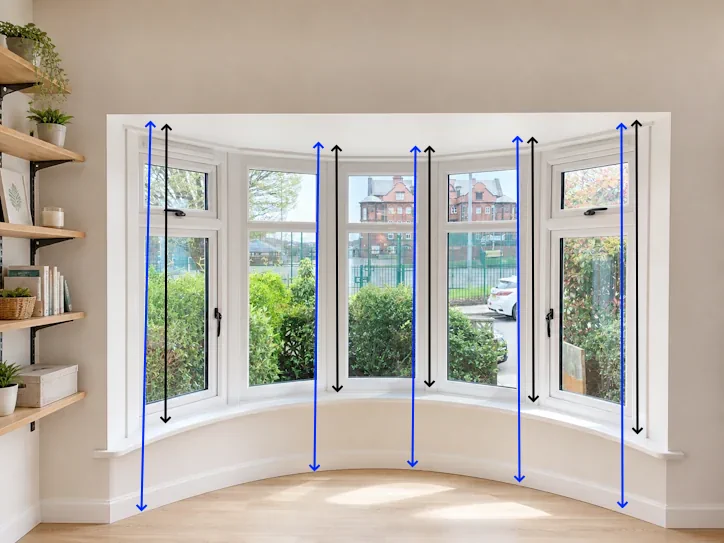
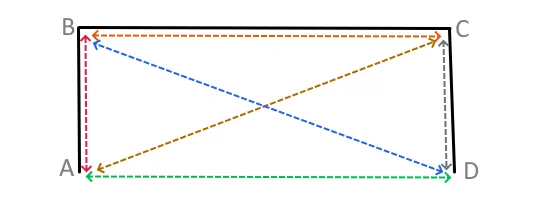
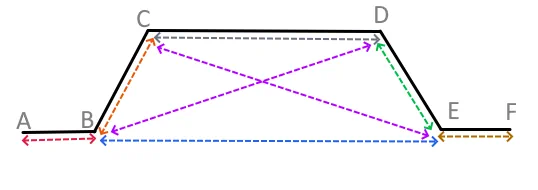
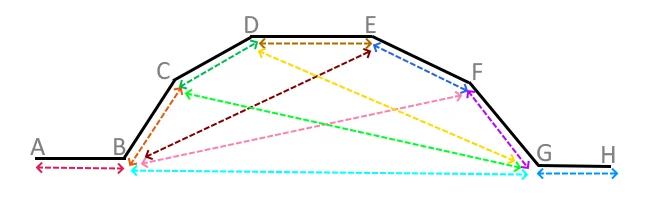
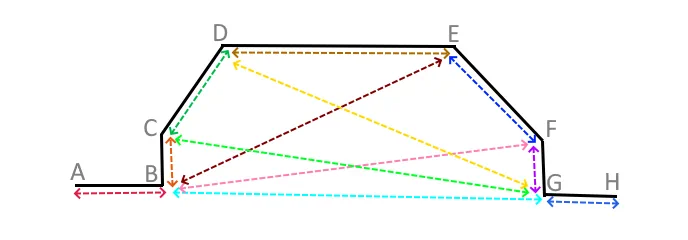
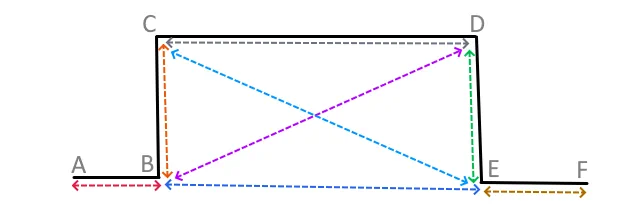
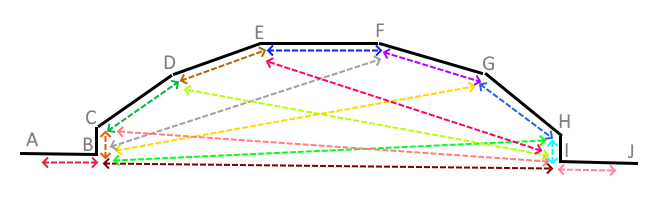
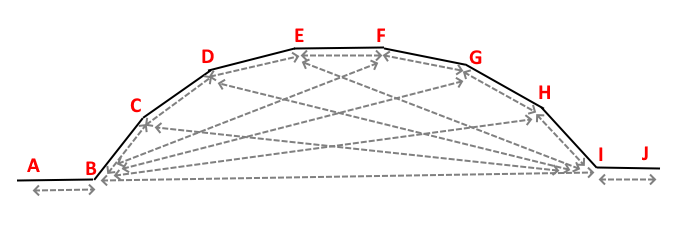
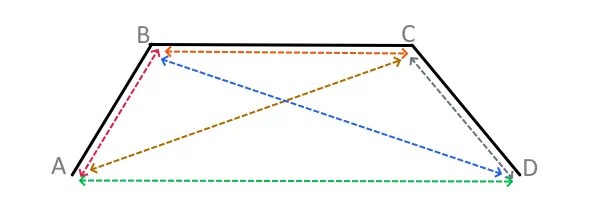
Measure several places around the bay to see if sill or floor slopes. Even if it looks level it probably isn’t.
Quick Answer
Bay window curtains can look uneven because curtains are made square, but many window sills, ceilings, and floors are not perfectly level.
If curtains are made to touch the top of the sill, they may sit neatly in one part of the bay but look slightly high or low in another.
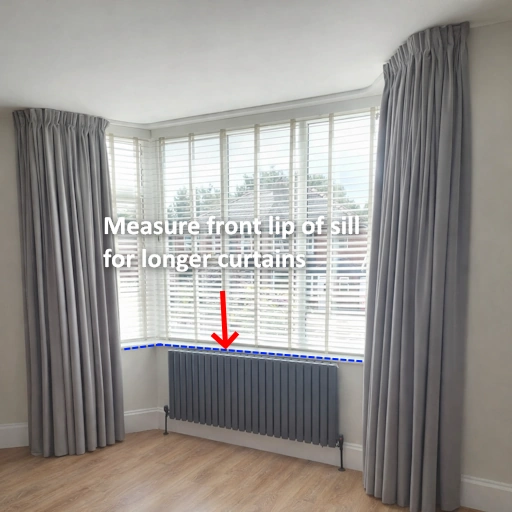
One common solution is to move the curtain track forward and let the curtains hang a few centimetres past the sill. This can hide small differences in sill level and give a more even-looking finish.
Why This Happens in Real Homes
It is very easy to assume that a bay window sill is perfectly level all the way around. In reality, this is not always the case.
Older homes especially can have slight movement, uneven plastering, different sill levels, or floors that are not completely level.
These differences can be small, but curtains can make them more noticeable because the bottom edge of the curtain creates a straight line.
If that straight curtain line sits close to an uneven sill or uneven floor, your eye can pick up the difference.
Curtains Are Made Square
A curtain is made with a straight top and a straight bottom. It is not normally made to follow every small rise and fall in a window sill or floor.
This means the curtains may be made correctly, the track may be fitted correctly, and the measurements may still show a small visual difference once everything is in place.
This is not usually a fault with the curtains or the curtain track. It is often just the reality of fitting straight curtains into a bay window that is not perfectly level.
The Problem with Curtains That Stop at the Top of the Sill
Sill-length curtains can look very neat when the sill and track line are fairly level.
But if the sill is uneven, curtains that are designed to meet the top of the sill can highlight the problem.
For example, the curtains may sit perfectly on the sill in one part of the bay, but appear slightly short or slightly too long in another part.This is even more noticeable if you have blackout lined curtains. As the light gap under the curtains gets wider.
This is why it is always worth measuring from the track position down to the sill in several places around the bay before deciding on sill-length curtains.
A Common Solution: Hang the Curtains Just Below the Sill
If it becomes obvious that the sill or ceiling is very uneven, one option is to move the curtain track slightly forward and have the curtains hang a few centimetres past the window sill.
Instead of trying to make the curtains finish exactly on top of an uneven sill, the curtains hang in front of it.
This can hide small differences in sill level and usually gives a softer, more even-looking finish.
This setup is very common in UK bay windows, especially where the bay has a deeper sill and a ceiling-fitted track can be positioned just in front of it.
The Trade-Off: Moving the Track Forward Can Change the Layout
Moving the track forward can solve one problem, but it may create a different decision to think about.
If the curtain track moves in front of the sill, the curtains may no longer sit neatly inside the bay only.
In many cases, you may then need the track to return out of the bay and onto the side walls. This helps close the side gaps and gives the curtains somewhere better to stack when open.
So the choice is often not simply “which curtain length is best?” It becomes a question of which compromise is more acceptable for your room.
Which Compromise Is Better?
There is not always a perfect answer. It depends on your bay window, your room layout, and the look you prefer.
Some people prefer to keep the curtains inside the bay, even if the bottom edge looks slightly uneven against the sill.
Others prefer to move the track forward, hang the curtains just below the sill, and accept that the track may need returns onto the side walls.
Neither choice is wrong. The best option is the one that gives you the result you are happiest to live with every day.
Floor-Length Curtains Can Have the Same Issue
This issue is not limited to sill-length curtains.
Floor-length curtains can also look uneven if the floor is not level across the bay or across the room.
In older homes, it is quite common for the floor to slope slightly from one side to the other. This means the curtains may appear closer to the floor in one place and slightly higher in another.
Again, this does not automatically mean anything has been measured or made incorrectly. It can simply be caused by the floor not being level.
How to Check Before Ordering
Before choosing your curtain length, it is worth taking a few extra measurements around the bay.
For sill-length curtains, measure from the planned track position down to the top of the sill in several places around the bay.
For floor-length curtains, measure from the planned track position down to the floor in several places.
If the measurements vary slightly, do not panic. Small differences are common. The important thing is to understand them before deciding whether you want the curtains to finish at the sill, just below the sill, or down to the floor.
Lee’s Advice
If the sill is fairly level, curtains that hang neatly to the top of the sill can work really well.
If the sill or ceiling is noticeably uneven, I would usually discuss whether it is better to move the track forward and have the curtains hang just below the sill instead.
This can hide the uneven sill and give a cleaner-looking finish, but it may also mean the track needs to return out of the bay to close the side gaps.
At that point, it is not really about right or wrong. It is about deciding which compromise works best for your room.
Still Unsure then Let Us Help You
Let the curtain track finder help you decide which track is best for your window. Or you can get advice on how to deal with your bay window by send a couple of photos.
Frequently asked questions
Why do my bay window curtains look uneven?
Bay window curtains can look uneven if the sill, ceiling, or floor is not level.
Curtains are made with a straight bottom edge, so they can highlight small differences in the window sill or floor level.
Are uneven curtains always a measuring mistake?
No. Sometimes the curtains have been measured and made correctly, but the sill or floor is not level.
This is especially common in older homes where floors, ceilings, and bay window sills may have slight variations.
Should sill-length curtains touch the window sill?
They can, but only if the sill is reasonably level.
If the sill is uneven, curtains that are made to touch the top of the sill may look right in one place but slightly short or long in another.
Can hanging curtains just below the sill hide unevenness?
Yes. Hanging the curtains a few centimetres below the sill can help hide small differences in sill level.
This usually means the track needs to sit in front of the sill, often ceiling fixed, rather than close to the window.
Can floor-length curtains look uneven too?
Yes. If the floor is not level, floor-length curtains may sit closer to the floor in one place and slightly higher in another.
This is common in older properties and does not always mean the curtains have been made incorrectly.
How can I check if my bay window sill is level?
Measure from the planned curtain track position down to the top of the sill in several places around the bay.
If the measurements vary, you may need to decide whether to accept a slight uneven finish or hang the curtains just below the sill instead.
Helpful Guides to Read Next
These guides will help if you are still deciding where your curtains and curtain track should sit.

Should Bay Window Curtains Be Sill Length or Floor Length?
A simple guide to choosing between short, just-below-sill, and floor-length curtains for your bay window.
Should Curtains Sit Inside or Outside a Bay Window?
Not sure whether your curtains should stay inside the bay or return onto the walls? This guide explains what works best for different bay shapes and room layouts.

How Far Should Curtains Extend Past a Bay Window?
A practical guide to how far your curtain track should return onto the side walls outside your bay window.