Bay Window Curtains on a Budget: A Simpler Way to Get It Right
If you want your bay window to look right without spending a fortune on made to measure curtains, there is often a much simpler and more cost-effective way to do it.
In many cases, the best approach is to get the track right first, then choose ready made curtains in the correct size so you get the width, fullness, and look you need.
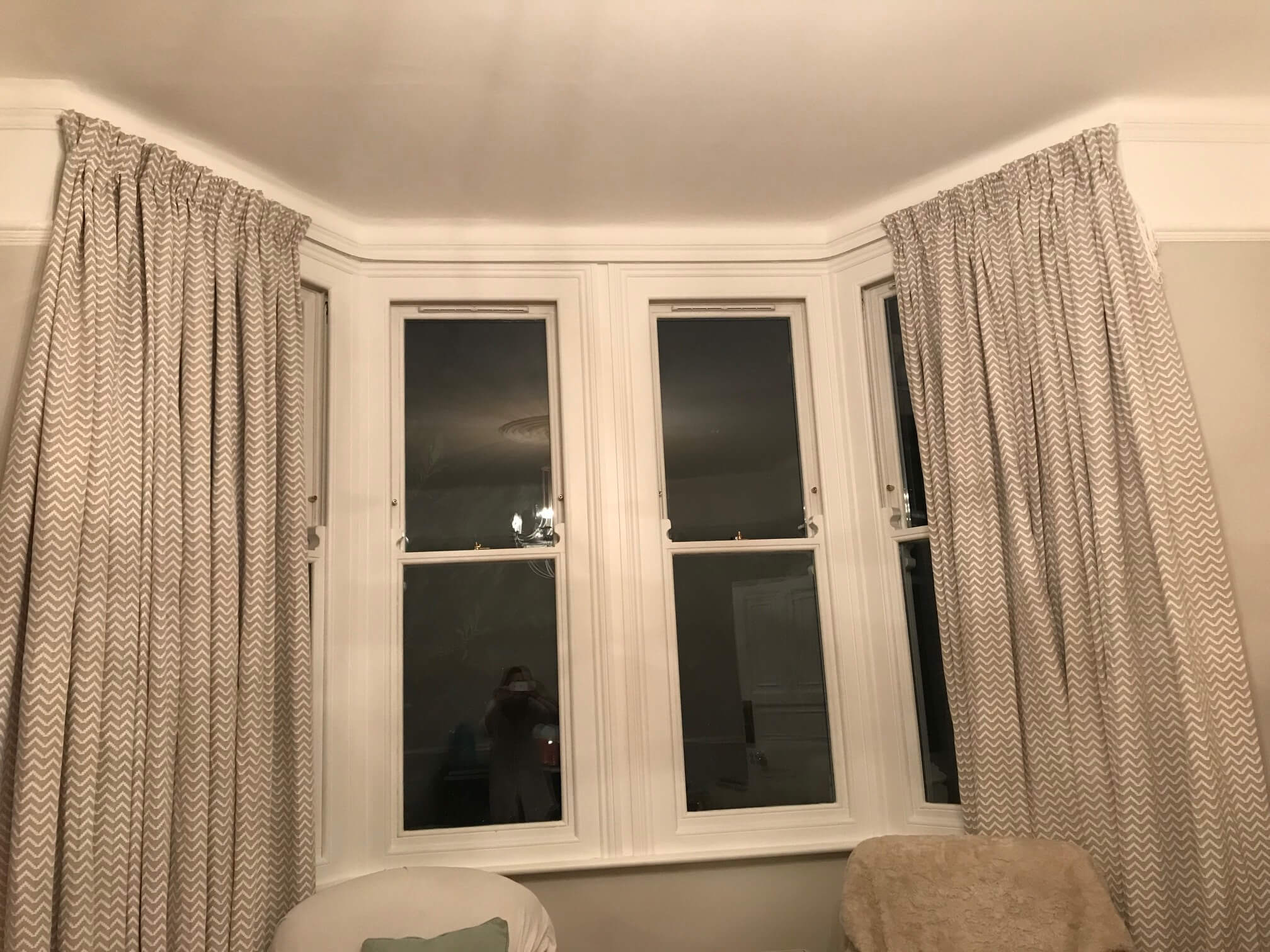
Trying to dress a bay window on a budget can feel harder than it should
A lot of people start out thinking they only have two choices.
Either they spend more than they want on made to measure curtains, or they try to make a cheaper option work and hope for the best.
But in reality, there is often a much better middle ground.
A made to measure bay window curtain track combined with ready made curtains can often give you a very good result without pushing the overall cost up too far.
The important thing is to do it in the right order.
Why the track matters more than the curtains
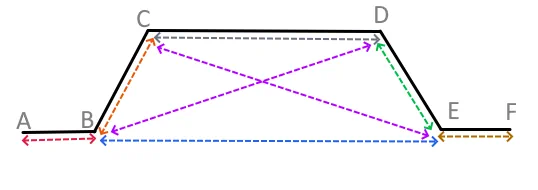
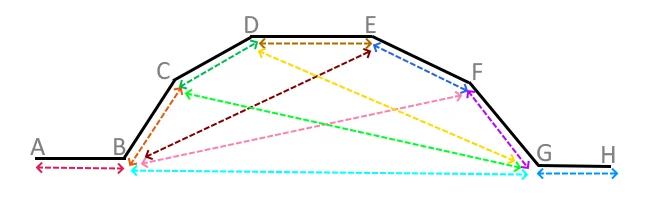
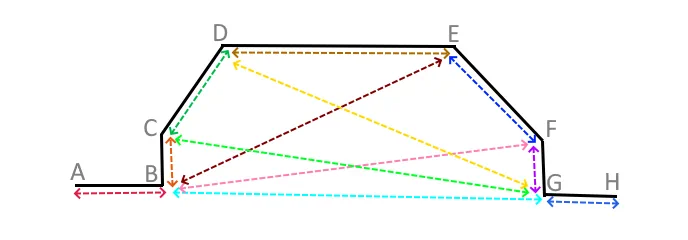
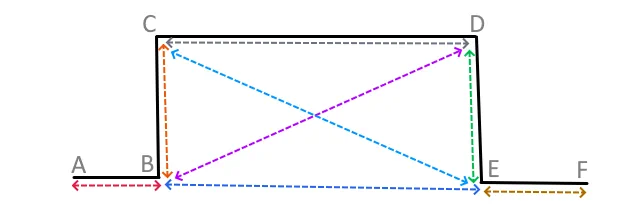
With a bay window, the track is the part that really needs to fit properly.
If the track follows the shape of the bay correctly, the curtains will hang better, move more smoothly, and the whole window will feel easier to live with every day.
If the track is wrong, even expensive curtains may never quite sit or work as they should.
That is why I usually suggest sorting the track first. Once that part is right, choosing curtains becomes much easier.
Ready made curtains can work very well on a bay window
A lot of people assume bay windows automatically mean made to measure curtains, but that is not always the case.
Ready made curtains can work very well, especially if you are trying to keep costs sensible without cutting corners.
The key thing is not just the drop. It is also making sure you have enough curtain width to cover the bay properly and create enough gather when the curtains are closed.
That is where many people go wrong.
For most bays, one pair of ready made curtains is not enough
This is one of the most common mistakes people make when trying to save money on bay window curtains.
For anything other than a fairly small bay, one pair of ready made curtains is often not enough.
To get the coverage and fullness you need, most customers are usually better with two pairs of ready made curtains.
That gives you:
- better width across the bay window
- a fuller and more balanced look
- enough fabric gather so the curtains do not look flat or stretched
So yes, ready made curtains can definitely save money, but only if you buy enough width to make them work properly.
If you do not want a corded track, keep it simple
That is very common, especially if your old corded track has become awkward, unreliable, or difficult to use.
In many cases, a hand drawn bay window curtain track is the simplest and most reliable option.
If you want to avoid touching the curtains too much, you can also use a draw rod to open and close them more easily.
For many bay windows, this ends up being the most practical long-term solution.
Are wave curtains the best budget option?
Wave curtains can look lovely, especially if you prefer a more modern and neatly structured look.
However, they are not always the best choice if your aim is to keep costs under control.
In many cases, wave curtains are:
- more expensive than simpler heading styles
- usually made to measure rather than ready made
- less forgiving in awkward or more complex bay shapes
So while wave curtains can be a good option in the right setting, they are not automatically the simplest or most cost-effective route.
Pencil pleat curtains are often the most economical option
If you are trying to keep the overall cost down, pencil pleat curtains are often still the most economical choice.
The reason some people avoid them is not usually the look. It is that they worry they will be fiddly to prepare or awkward to hang.
If that sounds familiar, this video should help.
Video Transcript: How to Hang Pencil Pleat Curtains
Hi, I’m Lee from ezecurtains.co.uk, and I’m going to show you how to gather, hook, and hang pencil pleat curtains.
Let’s take a look.
Step 1: Check and secure the cords
The first thing to do is check the cords at the ends of the curtain tape.
If you’re using ready made curtains, you’ll usually need to pull the cords out slightly and tie them in a simple knot at one end. This stops them pulling through when you gather the curtain.
If your curtains are made to measure, the ends may already be sewn and secured, but it’s still worth giving them a quick check before you start.
Step 2: Gather the curtain
Once one end is tied, you can start gathering the curtain.
Hold the knotted end and pull the curtain along the cords to bunch the fabric up evenly. It can help to hook the cords over something solid like a door handle or stair post so you can use both hands.
Keep gathering the curtain all the way along.
Step 3: Set the correct width
After gathering, measure the width of the curtain.
As a guide, it’s best to make the curtain slightly wider than your track. For example, if your track is 120cm wide, gather the curtain to around 130cm.
This extra width allows for a bit of spring back once the curtain is hanging, which helps stop it opening on its own.
Once you’ve got the width right, run your hand along the tape to even out the pleats so they look neat and consistent.
Step 4: Tie and tuck the cords
When you’re happy with the width, secure the loose cords.
You can either wrap them and tuck them into the end of the tape, or tie them in a simple slip knot so they can be released later if needed.
Then tuck the bundle neatly behind the curtain tape so it stays hidden.
Step 5: Insert the curtain hooks
Next, put in the curtain hooks ready for hanging.
On standard 3-inch pencil pleat tape, there are three rows of pockets. For most curtain tracks, use the middle pocket.
Start at one end and place a hook in the first pocket. Then miss three pockets and place the next hook into the fourth. Repeat this pattern all the way across the curtain.
Make sure you also have a hook at each end.
If the spacing isn’t perfect at the far end, that’s fine — a slightly smaller or larger gap won’t cause any issues.
Step 6: Hang the curtains
Now you’re ready to hang the curtain.
Attach each hook into the gliders on your curtain track, working your way along until the curtain is fully supported.
If you’re using a draw rod, you can attach that as well.
Using a draw rod
A draw rod isn’t essential, but it makes opening and closing the curtains much easier, especially with larger curtains.
Instead of pulling the fabric, you move the gliders along the track, which helps keep the curtains cleaner and reduces wear.
Final check
Once the curtains are up, close them fully and check how they sit.
If you have an overlap, make sure the curtains meet properly in the middle. This is especially useful for blackout curtains.
Also check that the pleats are sitting evenly along the top.
And that’s it — your pencil pleat curtains should now be gathered, hung, and ready to use.
Once you have seen the process properly, pencil pleat curtains often feel much more manageable than people expect.
They are still one of the best options if you want to keep costs sensible while still getting a neat, practical result.
A simple way to approach a bay window on a budget
- Choose the right bay window curtain track first
- Work out whether the bay needs wall fixing or ceiling fixing
- Then choose ready made or made to measure curtains based on your budget and preferred style
- Make sure you allow enough curtain width, which often means using two pairs of ready made curtains
The best option is not always the cheapest on paper
The right solution is the one that gives you a good result and feels practical to live with every day.
For some people, that will still be pencil pleat curtains. For others, it may be worth spending a little more for a heading style they feel more comfortable with.
The main thing is not to cut corners on the part that matters most. Get the track right first, then choose curtains that suit both your budget and the look you want.
Still Unsure then Let Us Help You
Let the curtain track finder help you decide which track is best for your window. Or you can get advice on how to deal with your bay window by send a couple of photos.