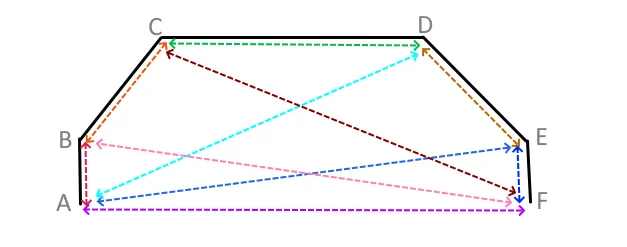
How to Measure for a Ceiling-Fixed Bay Window Curtain Track with Returns
For curtains hanging in front of the window sill.
This is often the best setup when your window sill projects out, but it can also work well with other bay window layouts.
If you can fit your curtain track directly to the ceiling, this is usually the neatest and most effective way to do it.
This guide shows you exactly where to measure from and what sizes we need. Don’t worry if your bay window is not exactly the same shape as the examples below — the measuring method is the same for most bay windows.

Is this the right guide for you?
This page is for you if:
- your curtain track will be ceiling-fixed within the bay
- the returns out of the bay will be either wall-fixed or ceiling-fixed
- your curtains will hang in front of the window sill
If you can’t ceiling-fix within the bay because of coving, a beam, or another obstruction, take a look at our all wall-fixed measuring guide instead.
Where to measure from
The most important thing to get right is this:
Even though the track is ceiling-fixed within the bay, you do not measure at ceiling level.
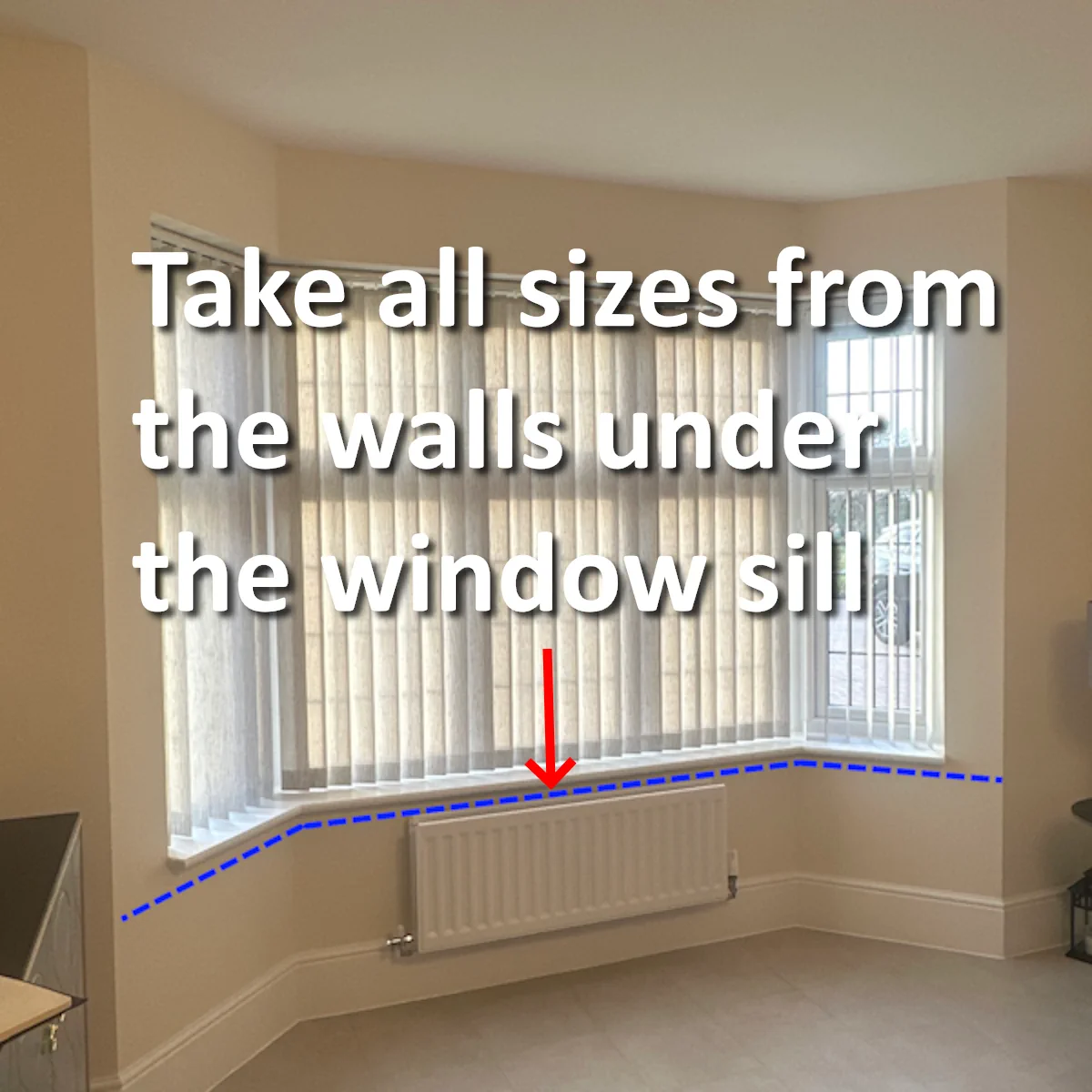
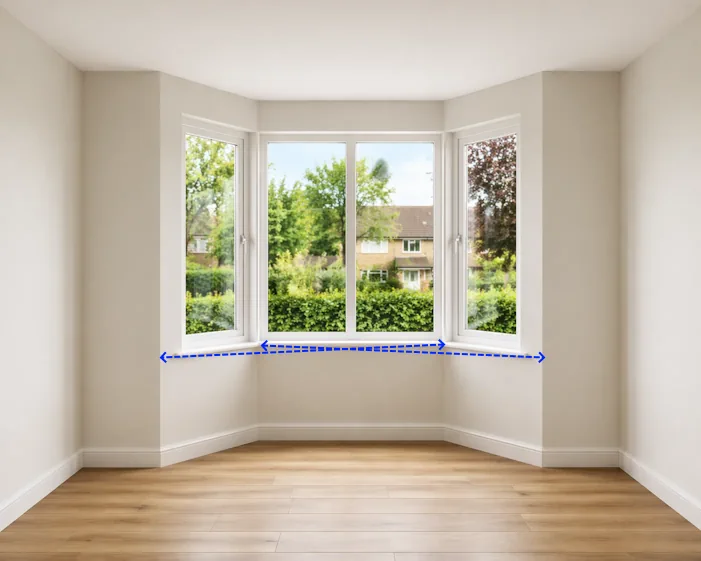
Instead, all your measurements should be taken from the line the curtains will follow.
In most cases, that means measuring from the front lip (room side) of the window sill.
OR
You can take all your measurements from the walls underneath the sill instead. This can be a good option if your sill does not project out beyond the bay.
This gives us the correct shape for the bay and helps us make the track to fit neatly and accurately. Because the track is fixed directly to the ceiling in the bay, it allows the curtains to hang straight down in front of the sill and gives a cleaner overall finish.

We normally recommend allowing around 20cm to 30cm for the returns, depending on how much space you have on the walls at each side.
Measuring the bay and the returns
With this setup, you are measuring one continuous curtain run — across the bay and out onto the walls at each side.
The bay section is measured first, then the returns are added on to complete the full track length.
This allows your curtains to close fully across the front and stack neatly back onto the walls.
Different bay shapes, same measuring method
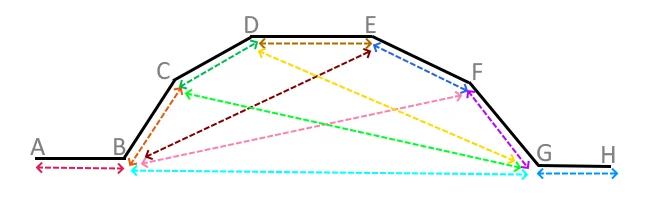
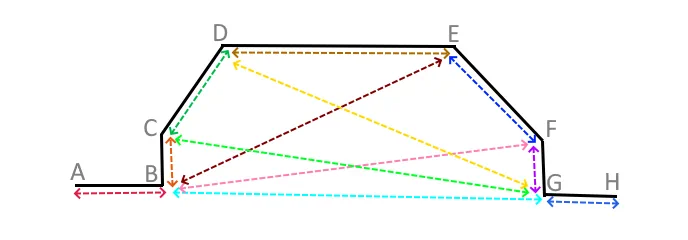
Every bay window is slightly different — some have three sections, some have five sections, or are curved .
The good news is that the measuring method is still the same. You’re measuring the bay shape where the track will be fitted, then giving us the extra sizes we need to map the angles properly.
Why ceiling fixing is usually the best option
If your bay allows it, ceiling fixing is usually the neatest way to fit a bay window curtain track.
Because the track sits flush to the ceiling, it usually gives a neater finish and more flexibility on the exact track position.
It also helps keep the track less noticeable, which many people prefer.
How to measure your bay window in 3 simple steps
Once you know where to measure from, the rest is straightforward.
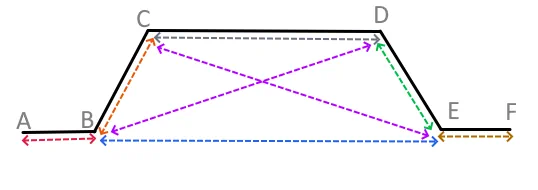
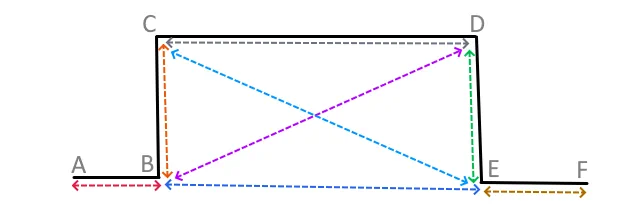
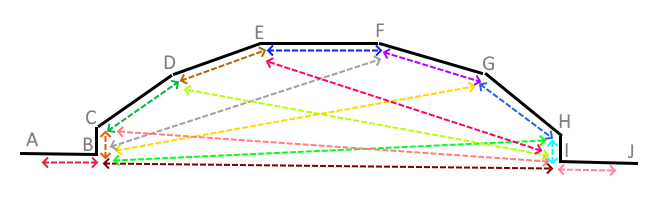
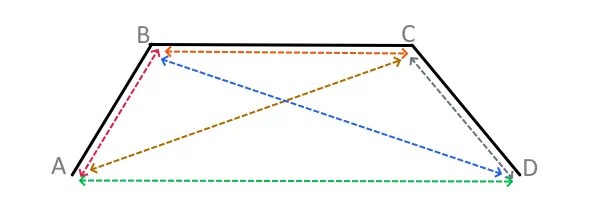
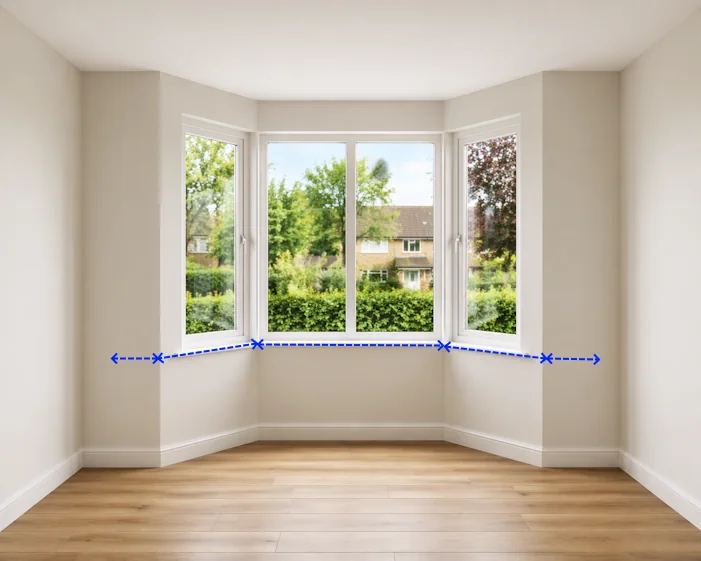
Step 1: Measure each section along the front of the sill
Measure each straight section along the sill from one bend point to the next.
If your bay has more sections, you’ll simply have more measurements — that’s completely normal.
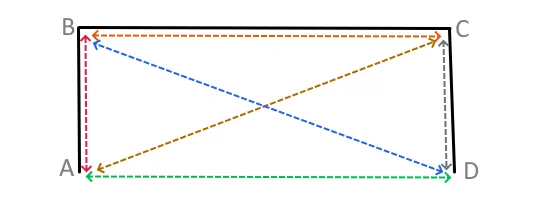
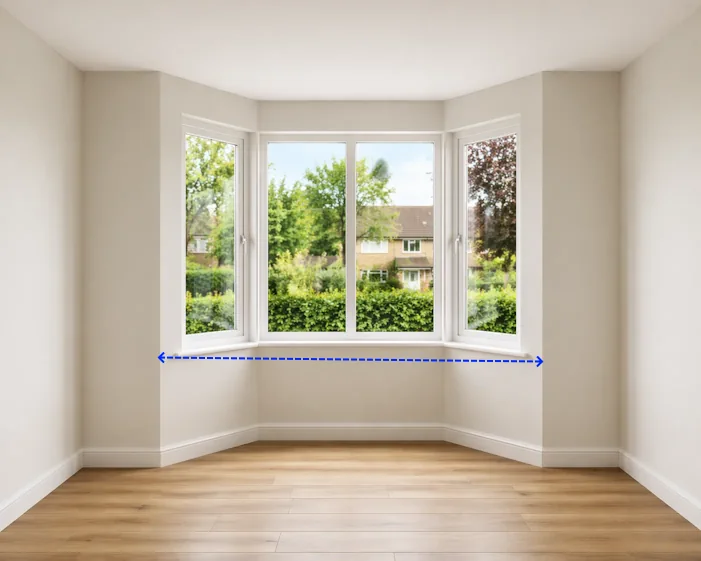
Step 2: Measure across the front of the bay
Measure across the opening of the bay — usually wall to wall, or from one outer corner to the opposite outer corner.
This helps us understand the overall width and spread of the bay.
Step 3: Measure the diagonals
The diagonal measurements allow us to work out the angles of your bay accurately.
These are what ensure your curtain track follows the shape of the bay properly rather than only being an approximate fit.
It’s simpler than it looks
Measuring a bay window can look a bit technical at first, but once you start, it’s usually much easier than people expect.
Just take your time, measure in centimetres, and write each size down as you go.
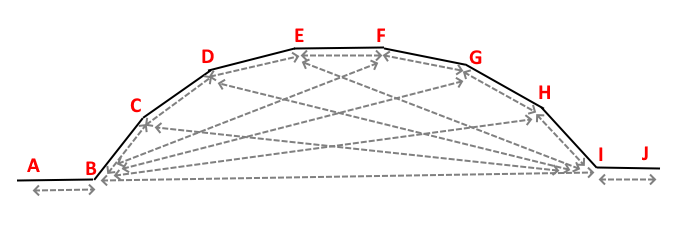
If your bay has more sections, we ask for more measurements simply so we can map everything out properly and make sure your track fits as it should.
Want to make it even easier?
You can use one of our printable measuring templates while you work.
They show exactly where to measure and give you a clear place to write each size down as you go.
Example: 5 sided bay measuring template
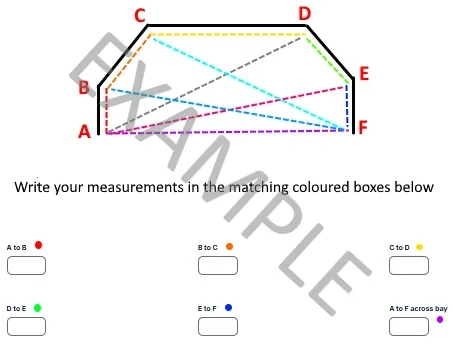
Once you’ve filled it in, just take a photo of the sheet.
When you come to order, you can either upload that photo or enter your sizes manually — whichever feels easiest.
Print it, fill it in, then upload a photo when you place your order
A few quick tips
- Use a steel tape measure if possible
- Measure in centimetres only
- Write each size down straight away
- Get help for wider bays if you can
- Double-check anything that doesn’t look right
Still Unsure then Let Us Help You
Let the curtain track finder help you decide which track is best for your window. Or you can get advice on how to deal with your bay window by send a couple of photos.